5. Evaluate the impact of an AR landfall
ARs are known to be the cause of abundant rainfall and flooding over mid-latitude coastal landmasses [4]. Preconditions for high precipitation rates over land are:
- strong moisture transport within the AR
- the AR being lifted over elevated orography
- the AR being stationary over a long time span.
When making landfall, higher wind speeds are expected over coastal water and the shore. Over land, friction reduces the wind speed at lower levels. Moreover, there seems to be a higher occurrence and impact of ARs in the winter season in the UK and western continental Europe [3][4].
Water vapor is released as precipitation when the AR is lifted over a mountain chain or over coastal elevation (Figure 10).
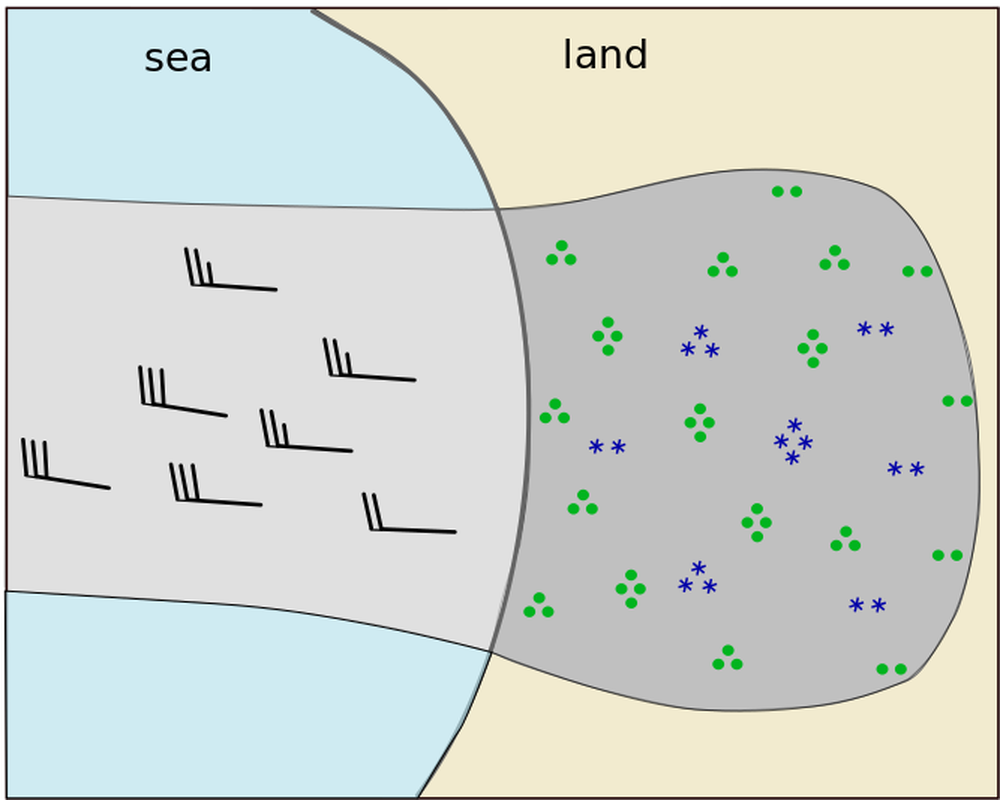
Figure 10:Schematic showing where precipitation occurs after an AR makes landfall.
Another important factor is the duration of the event. Most ARs hitting land in mid-latitudes are embedded in the cold front of a depression. Precipitation amounts are highest when the front is stationary and the wind is blowing in parallel to the front line. Much of the impact depends on the soil type, relief and population density.
We observe more ARs in the winter season [2][3], when cold air troughs extend more frequently to lower (tropical) latitudes (Figure 11) and then bring warm, moist air masses towards the poles.
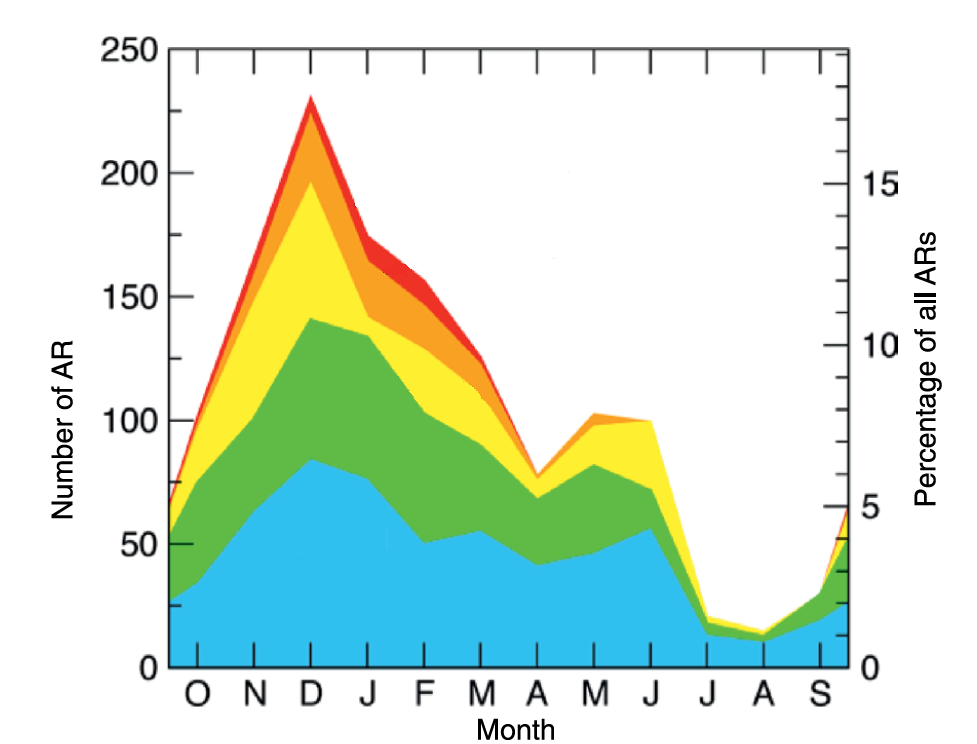
Figure 11: Seasonality of AR events near Bodega Bay (California) based on events from MERRA from January 1980 to April 2017, © Ralph et al., 2019.